Pet Ad Examples
Explore AI-generated pet ad examples for pet food, toys, and wellness brands. Engaging creatives that connect with passionate pet owners.

“6 months on the trail. Guess which leash costs more to replace.”
Wayward
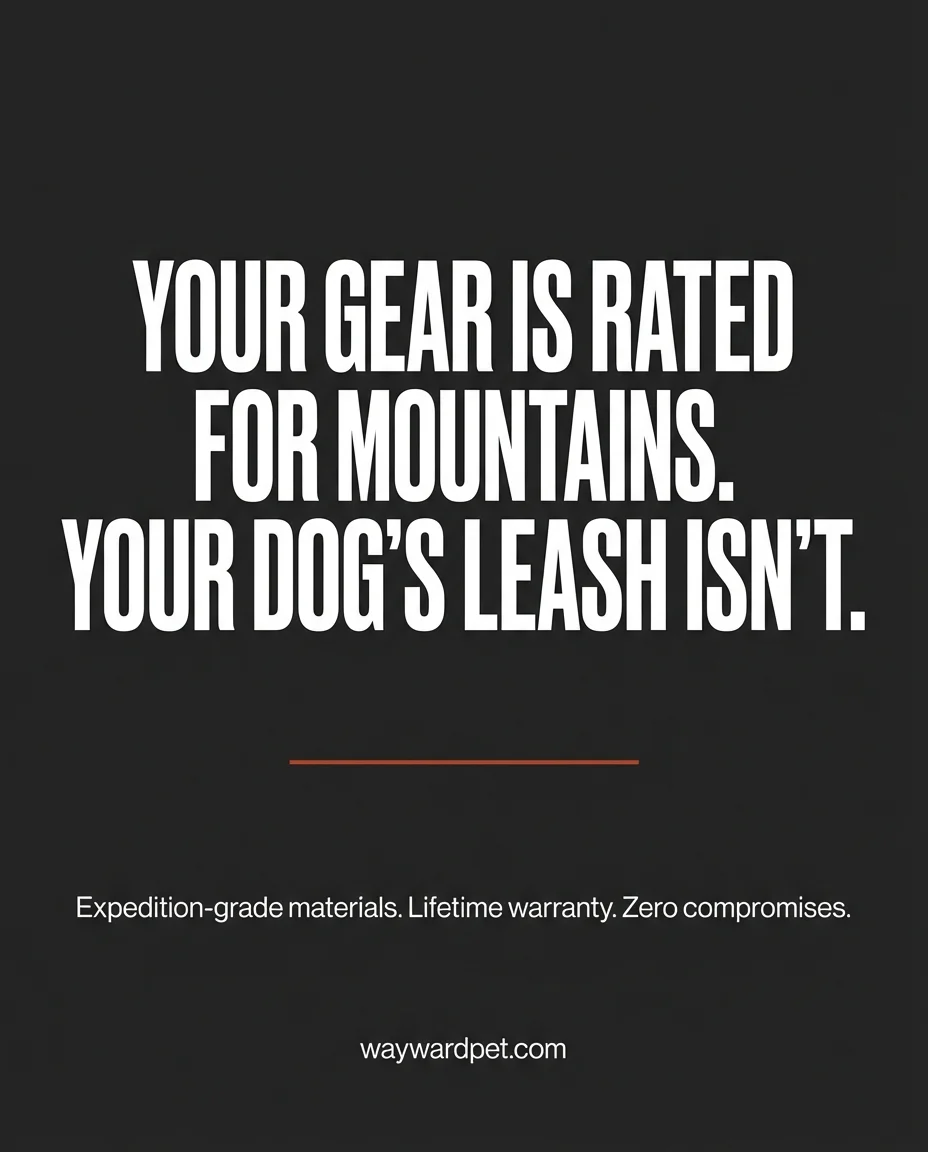
“Your gear is rated for mountains. Your dog's leash isn't.”
Wayward
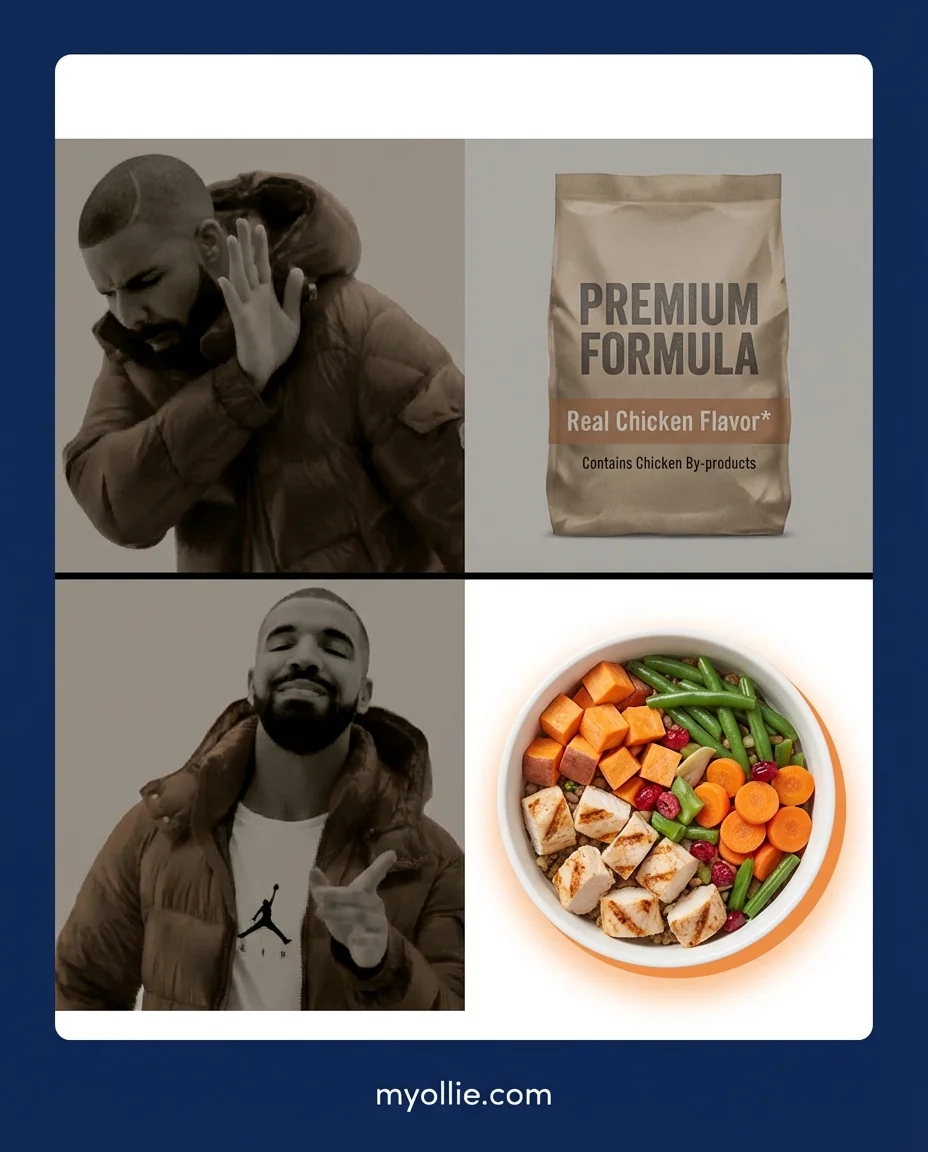
“When you realize kibble ingredients wouldn't pass your own kitchen test”
Ollie
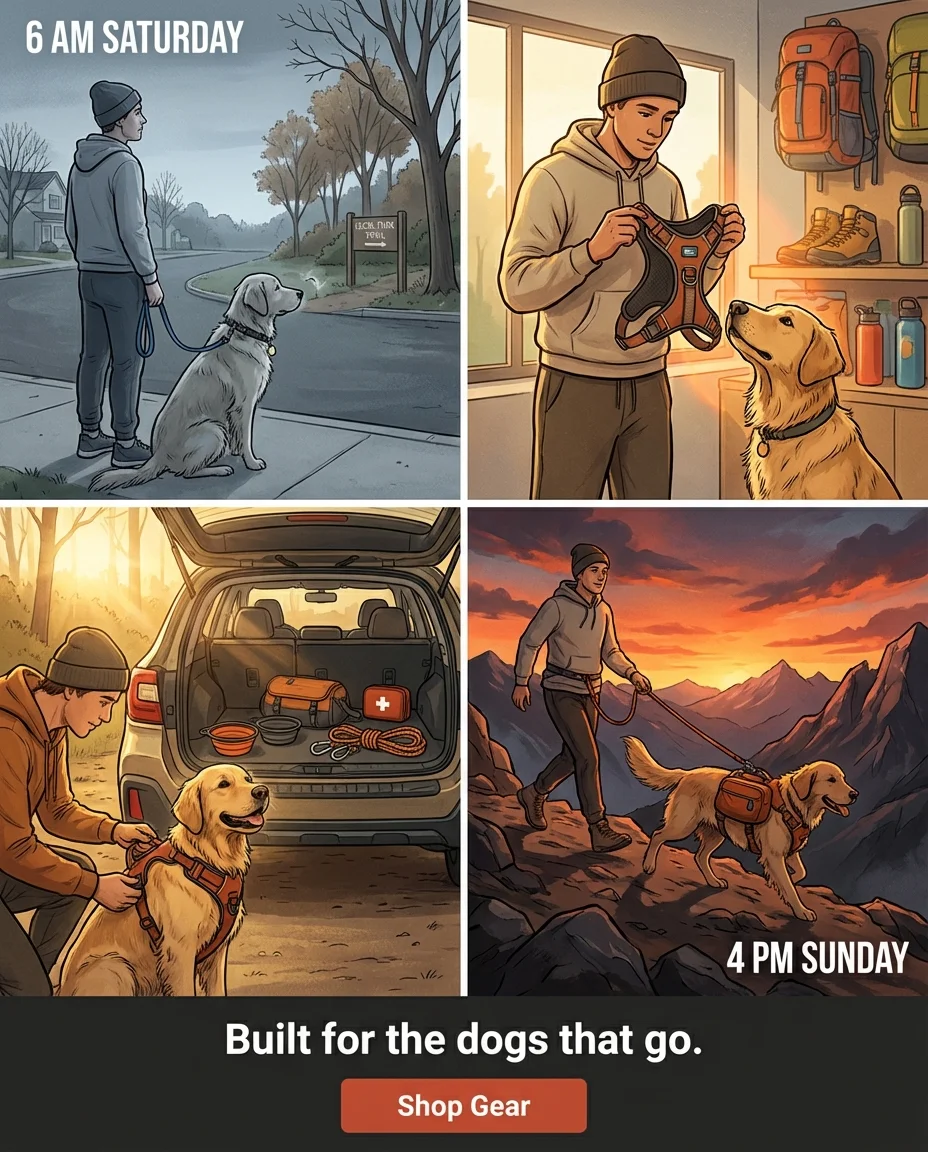
“Same dog. Different range.”
Wayward
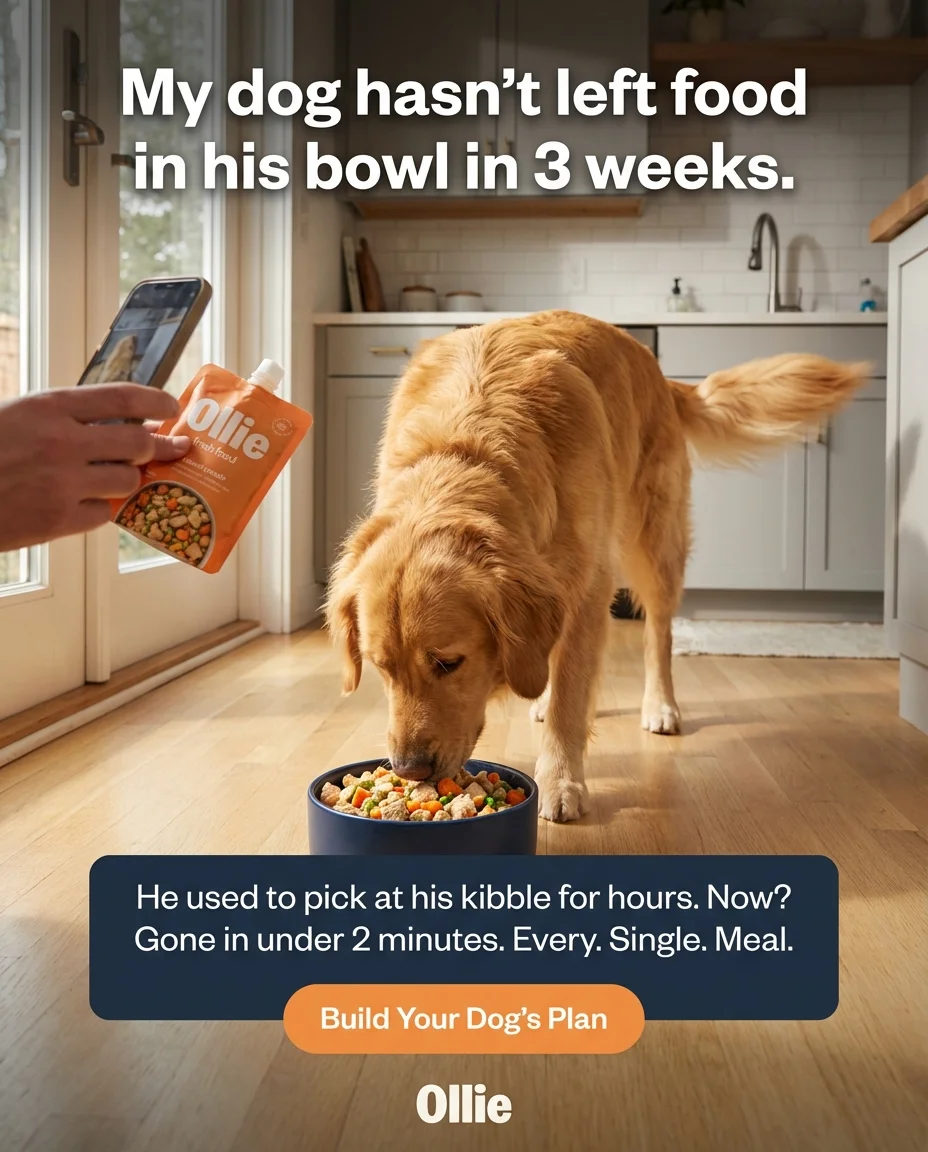
“My dog hasn't left food in his bowl in 3 weeks.”
Ollie

“6 months. 47 trails. Still perfect.”
Wayward
What works in pet advertising
The pet is the hero of the ad, not the product. Show the animal's reaction, joy, and energy — then reveal what caused it.
Speak to the owner's identity as a pet parent. The emotional bond between pet and owner is the most powerful marketing lever in this category.
Use real pets in authentic settings. Perfectly groomed show dogs in studios feel as fake in pet ads as stock photos do in skincare.
Ingredient transparency is now table stakes for pet food. If you're not showing what's inside, consumers assume you're hiding something.
Seasonal and activity-based targeting works well. Hiking gear for spring, calming products for fireworks season, cozy beds for winter.
Winning ad angles for pet brands
Ingredient comparison
show your pet food next to the leading brand's ingredient list. Let the labels speak for themselves.
Adventure companion
for gear and outdoor brands, position the product as enabling experiences with your pet, not just equipping them.
Picky eater transformation
'the food that ended the dinner standoff' is relatable to every dog and cat owner who's struggled with feeding.
Vet-recommended framing
third-party authority from veterinarians carries enormous weight with health-conscious pet parents.
Durability proof
for toys and gear, show the product surviving real-world abuse. Pet owners are tired of replacing destroyed products.
Common pet ad mistakes
Focusing on the owner instead of the pet. Pet parents scroll-stop for animals, not for people talking about animals.
Using generic 'premium' claims without proof. Every pet food brand claims to be premium. Show the actual ingredients, sourcing, and testing.
Ignoring the emotional guilt factor. Pet parents feel guilty about leaving for work, about diet, about exercise. Ads that acknowledge and resolve this guilt convert.
One-size-fits-all creative for cats and dogs. These are completely different audiences with different values, humor, and purchase patterns.
Neglecting the subscription model for consumables. Pet food, treats, and supplements are perfect subscription products but most ads sell one-time purchases.
Pet ad creative checklist
Generate pet ads for your brand
Tell Daily Ads about your product. Get scroll-stopping creatives in minutes — no designer needed.
Try Daily Ads Free